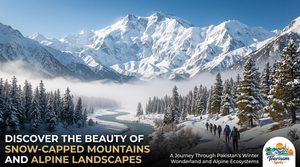
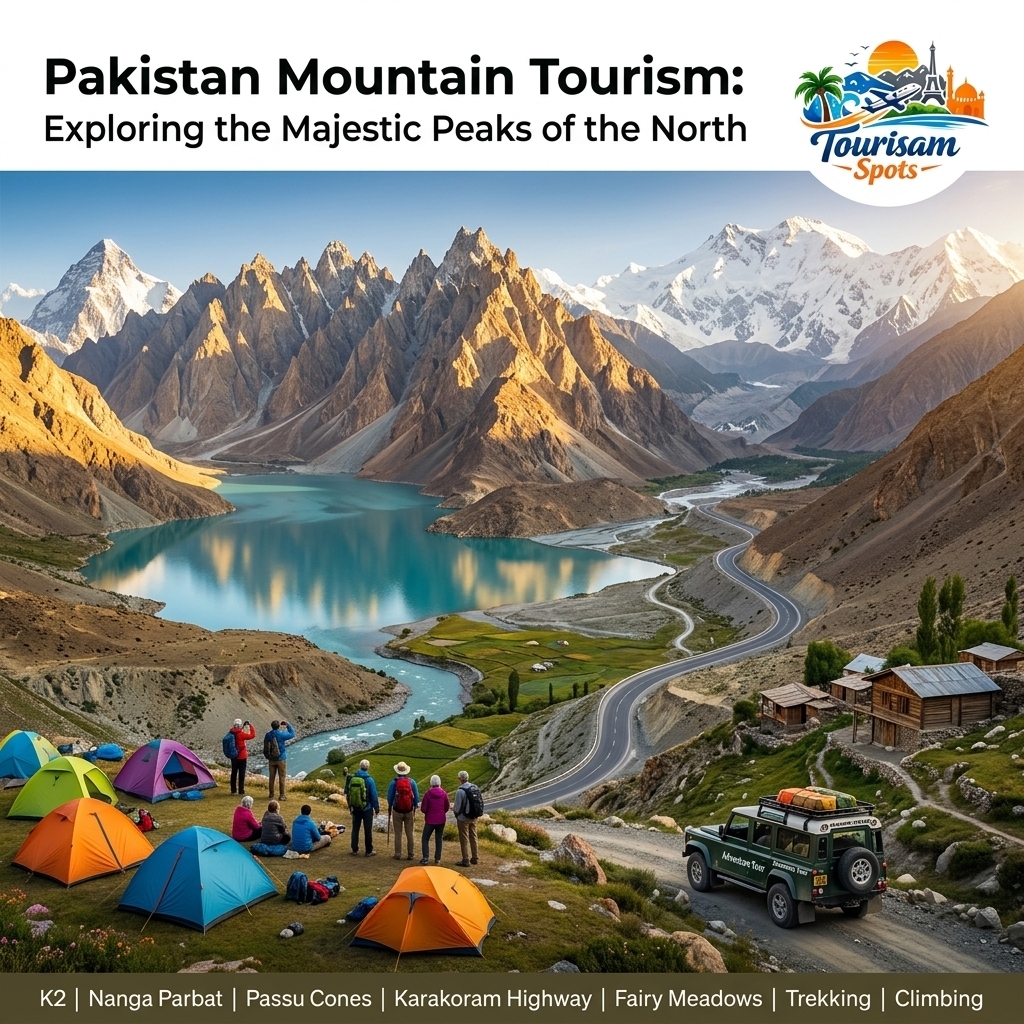
Pakistan has some of the most spectacular alpine scenery in the world. In the north of the country huge snow-capped peaks tower over turquoise rivers, old glaciers, alpine meadows and friendly mountain communities. From the iconic Passu Cones to the fabled summit of Nanga Parbat, these vistas make Pakistan mountain tourism an amazing experience for trekkers, photographers, climbers and nature enthusiasts.Northern Pakistan comprises parts of three big mountain systems: the Karakoram, the Himalayas and the Hindu Kush.
Pakistan has five of the world’s 14 mountains over 8,000 meters, including K2, the second highest in the world. However, the north is not solely for skilled mountaineers. Scenic roads, nice guesthouses, short hiking paths and accessible vistas make it possible for ordinary travelers to enjoy the magnificence of the mountains.This Pakistan mountain travel guide covers some of the most spectacular places in the country including Passu, the Karakoram Mountains, Nanga Parbat, Rakaposhi Base Camp and Fairy Meadows.
Why Northern Pakistan Belongs on Every Adventure List
Northern Pakistan tourism offers a great deal more than high-altitude mountaineering.From towering mountains and deep valleys to glaciers, rivers, and high altitude plains, this region offers some of the most thrilling travel experiences in the world. Whether you enjoy trekking, camping, jeep safaris, or photography, northern Pakistan has something for every adventure seeker. Hunza Valley is one of the most popular adventure places in Pakistan. It is surrounded by the Karakoram mountain range which offers breathtaking views and thrilling outdoor activities.Most of the people prefer the Hunza Skardu tour to explore different places in one visit.
Gilgit-Baltistan is the hub of mountain tourism in Pakistan. Its most famous destinations include Hunza, Skardu, Passu, Khaplu, Shigar and Fairy Meadows. In the west, the valleys of Chitral display the beauty of the Hindu Kush, while places such as Swat and Kaghan offer greener alpine landscapes. The classic vista of Nanga Parbat is from Fairy Meadows; Passu is notable for its jagged golden peaks that climb right out of the hamlet.The range of the scenery allows for many different types of trip, from relaxing sightseeing holidays to challenging multi-week adventures.
The Passu Cones: Icons of Upper Hunza
Passu Cones are among the most photographed mountains in Pakistan. Their jagged ridges shape the spectacular natural skyline over the settlement of Passu, in the Upper Hunza Valley. The rocky peaks are often suffused with gold, orange and pink at sunrise and dusk.Passu is situated adjacent to the Karakoram Highway, which means that it’s rather straightforward to incorporate into a Hunza trip. The community is bordered by remarkable features including Passu Glacier, Borith Lake and the long suspension bridges near Hussaini. These locations give tourists views of the landscape from many vantage points.
A short walk around Passu is a wonderful place and you don’t need to be a skilled trekker. For the more adventurous traveler there are paths to explore around the glacier or you may climb between the local communities. Glacier walks are best done with local guides as the terrain can be unstable and the crevasses are difficult to see.Passu village also has tiny motels, traditional meals and a serene environment. It is a good area to calm down after a few days on the road and get a feel for the size of the mountains that surround you.
Journey Through the Karakoram Mountains
The Karakoram mountain range is home to some of the highest, most difficult to climb peaks on the planet. It traverses northern Pakistan and adjoining areas, cutting a wild country of granite spires, huge glaciers and high-altitude valleys.The most notable peak in the range is K2, which rises 8,611 meters. Other famous summits are Broad Peak, Gasherbrum I, Gasherbrum II, Masherbrum and the Trango Towers. These mountains are a magnet for professional climbers but trekkers can also enjoy the region by way of the Baltoro Glacier and Concordia trek.
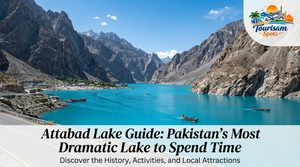
To get there, you need a tough multi-day trip, the right equipment and permits, porters and an expert guide. But to the determined adventure traveler it is one of the best mountain excursions in the world. The Karakoram Highway offers a more accessible way to see the range. The route connects Pakistan with China through the Khunjerab Pass, winding its way through deep valleys, glaciers, settlements and towering cliffs. Gilgit, Karimabad, Attabad Lake, Gulmit, Passu and Sost are popular stops. Mountain routes can be hit by landslides, construction or extreme weather and travelers should be aware. You want a flexible schedule.
Nanga Parbat: The Legendary Mountain
Nanga Parbat is the ninth tallest peak in the world with an altitude of 8,126 meters. Its name means Naked Mountain but it is also known locally as Diamer. The summit is known for its extreme vertical relief and storied climbing history.There are various approaches to Nanga Parbat, but the best renowned are the Raikot Face and Rupal Face. The Rupal Face is one of the tallest mountain faces in the world, with almost 4,600 meters of vertical rise from its base. It makes a landscape of rock and ice and snow in overwhelming
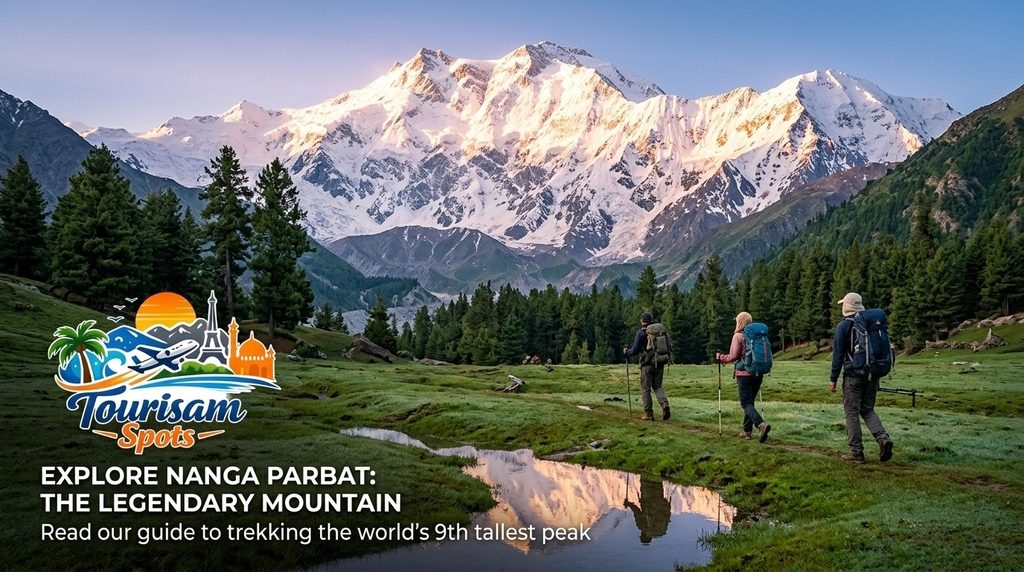
For many visitors, the easiest approach to view Nanga Parbat is from Fairy Meadows. The mountain is the horizon and is most magnificent in the early morning when the first light of the sun touches its frozen summit.Experienced trekkers can proceed to Nanga Parbat Base Camp. The trail continues through woodlands and open meadows, ending at the glacier below the Raikot Face. The trail is less strenuous than other treks in the Karakoram, but hikers will still need proper boots, hydration, sun protection and knowledge of changing weather conditions.
Fairy Meadows: An Alpine Escape
Fairy Meadows is among the most famous places in Pakistan. This grassy plateau is situated at an altitude of about 3,300 meters and overlooks Nanga Parbat. Thick forests, wooden houses, grazing animals and snow-capped peaks conjure up an ambiance so far apart from city life.The journey normally starts from near Raikot Bridge on the Karakoram Highway. Visitors then go by local jeep along a small mountain trail to Tattu hamlet, followed by a walk to the meadows. It is usually a walk of a few hours depending on your fitness, the weather and the state of the trails.
Accommodation is mostly basic cottages and campsites. The location is beautiful and the actual luxury facilities are modest. Clear notes the sky is full with stars. As the sun rises Nanga Parbat is a wall of ice, shimmering in the morning light.Bring warm clothing even in the summer as the temperature drops quite a bit in the evening. It also makes sense to carry some cash because digital payments and banking services may not be dependable in rural places.Those having more time might trek up to Beyal Camp or beyond to Nanga Parbat Base Camp with a guide.
Trekking to Rakaposhi Base Camp
Rakaposhi is one of the most spectacular Karakoram mountains, at an elevation of 7,788 meters. Its great snow-clad slopes may be seen from several points in the Hunza and Nagar valleys. The mountain’s name is commonly translated as “Shining Wall” which is an excellent description when the sun hits its glaciers.The journey to the Rakaposhi Base Camp is one of the most rewarding short mountain experiences in Northern Pakistan. It usually starts from the Minapin village in Nagar Valley and goes up to Hapakun and then to the Tagaphari area near the base camp.
The path runs through farmed fields, woods and alpine country. From the higher camps, trekkers can enjoy stunning views of Rakaposhi, Diran Peak and the surrounding glaciers. The trail can normally be done in two to three days, but some old-timers try to do it a little faster.The walk is not long but it has steep sections and a lot of elevation gain. If possible, spend some time in Hunza or Nagar prior to get used to the altitude. Hire a local guide to help the community and make it easy to arrange navigation, accommodation and meals.
Best Time for Pakistan Mountain Tourism
The best time varies according to the area and the nature of the trip. The most opportune time for traveling in Gilgit-Baltistan is usually late spring to early autumn.May and June are mild in temperature and relatively fresh in landscape. High altitude treks are popular in July and August, while the lower valleys can be warm. September and early October are frequently clear, golden foliage, and few visitors.
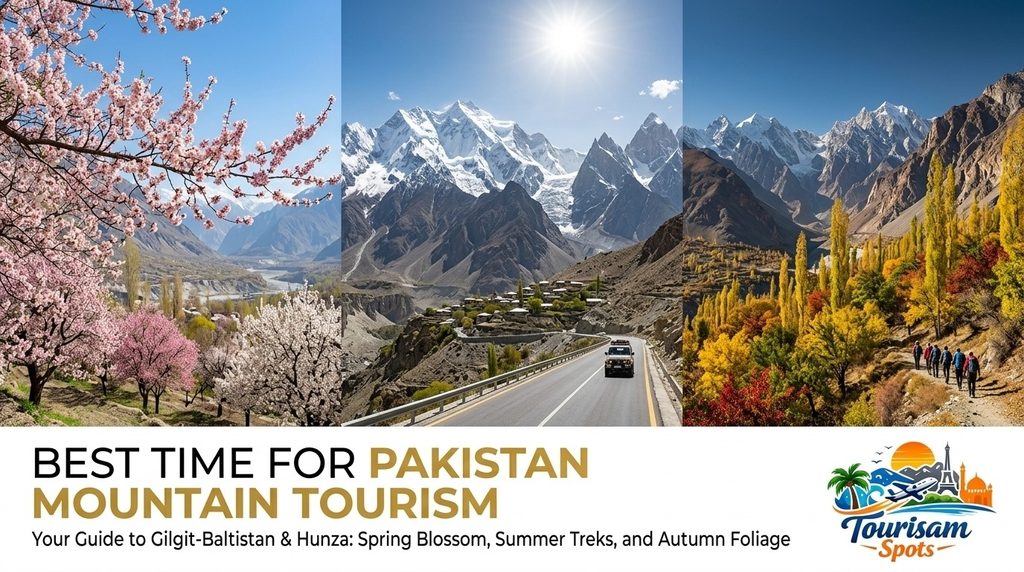
The Hunza valley is particularly attractive in spring when the apricot, cherry and almond trees begin to blossom. The valley is a riot of bright yellow, orange and red in the autumn.Winter travel is available in some towns, although severe snow can close highways, mountain passes, hotels and trekking routes. Anyone contemplating a winter trip should check local conditions and arrange for reliable transportation.
Responsible Travel in the Mountains
Northern Pakistan tourism boom provides welcome cash to local families, but also puts pressure on fragile habitats | The Hill Rubbish must be removed from natural places, single-use plastics avoided and refuse never left near campgrounds, rivers or glaciers.Tourism is beneficial to mountain communities when they use local guides, locally-owned accommodation and buy area products. You should also ask people’s permission before taking photographs of them, of religious sites or of private houses.
Use water with care, particularly in distant settlements. Campers must keep streams free from contamination and follow approved toilet and waste management procedures.“Most importantly, visitors should respect the mountains. Weather can change suddenly, mobile service is restricted and altitude can harm anyone. Slow acclimatization, realistic daily distances, good clothing and skilled assistance help make the journey safer.
Practical Pakistan Mountain Travel Guide
Most of the foreign trips to the north start from Islamabad. From here, passengers can fly to Gilgit or Skardu depending upon the weather and availability of seats. Travel by road is an alternative, however travels can be long and may be delayed.Bring warm layers, waterproof clothing, sturdy shoes, sunscreen, a reusable water bottle, a first-aid kit and any medications you need. A power bank and offline maps are handy in places where energy and cell service are restricted.
Some trekking locations necessitate permits, registration, licensed guides or specific arrangements. Rules may vary, therefore please check with the relevant authorities or an approved tour operator for the latest rules before leaving. Visitors from abroad also need to check current visa requirements and other local travel regulations.Don’t make a tight timetable around mountain flights or long-road transfers. Buffer days help you deal with weather delays and unforeseen changes in your itinerary.
A Journey Among Giants
Pakistan’s northern mountains are a breathtaking mix of natural beauty, cultural richness, and authentic adventure. The razor sharp Passu Cones, the raw wilderness of the Karakoram range, the imposing face of Nanga Parbat, the tranquil Fairy Meadows environment and the trek to Rakaposhi Base Camp all offer a different face of the country.Together these destinations are drawing increased worldwide attention toward Pakistan as a mountain tourism destination. They are more than just beautiful pictures; they give silence, challenge, welcome, and a fresh appreciation for the majesty of nature.
Northern Pakistan is not just another holiday location for the thoughtful planner, the flexible explorer and the responsible tourist. It is a confrontation with some of the grandest mountains on earth and a mountain experience that lives long in the memory when the adventure is over.
Tourism Spots: Pakistan Mountain Tourism
Welcome to Tourisam Spots, your trusted place to discover the beautiful splendor of Pakistan Mountain Tourism. We want to deliver you inspiring travel stories, mountain adventures and helpful information about the beautiful places in Pakistan, such as the picturesque Karakoram highway and the spectacular views of the northern areas. At Tourisam Spots, we offer professional Guest Posting and Content Writing services to help brands, businesses and travel enthusiasts spread their tales to a wider audience.
Our staff is dedicated to providing interesting, SEO-friendly and high-quality content that showcases locations, experiences and ideas.Explore the hidden gems of Pakistan with Tourisam Spots and experience the beauty, culture and adventure that awaits you in the highlands. For collaborations, guest pieces or content services visit our Contact Us page and join our growing travel community.
Conclusion
Pakistan Mountain Tourism is a unique combination of beautiful landscapes, rich culture and thrilling activities. The northern highlands of Pakistan are full with unlimited options for adventure and discovery, with towering peaks of the Himalayas, Karakoram and Hindu Kush and picturesque sites such as Attabad Lake. Promoting and maintaining these natural treasures can help draw people from around the world, while helping local communities and sustainable tourism.
FAQS
1. What is special about Pakistan Mountain Tourism?
Pakistan Mountain Tourism is famed for its magnificent landscapes, high peaks, glaciers, valleys and lively cultural heritage. The northern areas are home to some of the most beautiful mountain destinations in the world, attracting lovers of adventure and explorers of nature.
2. The most popular mountain destinations in Pakistan?
Some of the famous destinations include Hunza Valley, Skardu, Fairy Meadows, Naltar Valley, Khunjerab Pass and Attabad Lake. These are locales with magnificent vistas, outdoor activities and amazing travel experiences.
3. Best time to visit the northern highlands of Pakistan?
May to October is usually the finest period for a trip to the alpine regions of Pakistan. The weather is excellent, roads are open and available and guests can enjoy hiking, sightseeing and cultural activities.