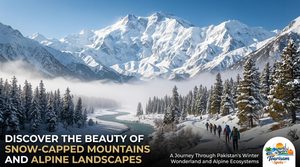

The Hunza Valley in northern Pakistan is one of those places that you see for the first time and feel like it’s too good to be true. Snow-capped peaks rise sheer from green terraced fields, blue rivers cut through rock and little stone settlements lie peaceful against a backdrop that looks painted rather than real. This guide will cover all you need to know before you travel, from the greatest sites to visit in Hunza, to the food you should taste and the culture that makes this valley so distinct.
Why Should I Visit Hunza
If you’re still debating whether Hunza is a place you want to visit, the quick answer is yes. There are few places in the world with such dramatic alpine scenery and such a kind and hospitable local community. There is something in Hunza for practically every type of traveler. Hikers have access to some of the most spectacular trails in the Karakoram range. Photographers receive sights that rarely disappoint, whatever season.
Many alpine resorts sparkle for only a few weeks a year, whereas Hunza changes character with every season. Apricot and cherry blossom in the terraced fields in spring. Summer delivers green valleys and good trekking weather. Autumn colors the entire valley gold and orange and is regarded by many travelers as the best time to visit.
Getting to Know the Region: A Simple Hunza Valley Travel Guide
The Hunza Valley is located in the northern part of Pakistan, in Gilgit Baltistan, close to the border with China. Most visitors arrive in Hunza by automobile from Islamabad via the Karakoram Highway, one of the highest paved international roadways in the world. The trip itself is an experience, going along the Indus and Hunza rivers, with mountain views practically the entire way. You can also take domestic flights to Gilgit which can save you a lot of travel time depending on the weather.
The valley is easy to explore once you get there. Most of the key sites are within a reasonable drive of Karimabad, the unofficial capital of Hunza and the most popular base for travelers. From here, almost every significant sight in the valley is within reach for a day trip or a short overnight vacation.
Places to Visit in Hunza That Should Be on Every Itinerary
Baltit Fort and Altit Fort are two of the oldest structures in the region, offering a direct look into the royal history of Hunza along with sweeping views over the valley below. Eagle’s Nest viewpoint gives one of the best panoramic views of the entire valley, especially at sunrise, when the surrounding peaks glow in soft golden light.
There is no shortage of tourist attractions in Hunza Valley, but a few stand out as must see stops for first time visitors. Duiker Village and Passu Cones are favorites for photographers, with jagged mountain peaks that look almost too sharp to be natural. Passu also serves as a gateway to several glaciers and hiking routes further up the valley.
Attabad Lake and the Color That Draws Every Traveler
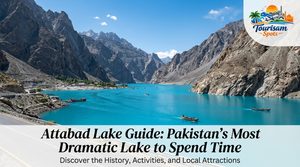
No trip to Hunza is complete without a stop at Attabad Lake. Formed after a landslide blocked the Hunza river in 2010, this lake has become one of the most photographed spots in all of Pakistan. Its water shifts between deep turquoise and bright blue depending on the light and season, framed by dry brown mountains on either side.
Visitors can take boat rides across the lake, enjoy lakeside food stalls, or simply sit and take in the scenery. For many travelers, this single stop makes the entire trip to Hunza worth it on its own.
Glaciers in Hunza and the High Altitude Landscape
For travelers who want to go beyond the main road, the glaciers in Hunza offer a completely different side of the valley. Passu Glacier and Batura Glacier are among the most accessible, with relatively short hikes leading to incredible up close views of the ice fields.
These glaciers also feed the rivers that give the valley its famous turquoise water, connecting the high altitude ice fields directly to the scenery travelers enjoy much further down the valley. Guided treks are available for those who want a deeper experience, often combined with camping under some of the clearest night skies in the region.
Waterfalls in Hunza Worth the Detour
Along with its glaciers and lakes, the waterfalls in Hunza give another element to the natural environment. Borith Lake and the nearby waterfalls around Husseini are a popular stop-off point, especially for those traveling toward Passu or up the valley. Some of these waterfalls are located right off the main road, so they are a simple complement to a longer day of sightseeing without requiring a separate excursion.
Khunjerab Pass and the China Border Experience
For travelers looking for a true bucket list moment, Khunjerab Pass is hard to beat. Sitting at an altitude of over fifteen thousand feet, this is the highest paved border crossing in the world and marks the official China border between Pakistan and Xinjiang.
The drive up to Khunjerab is an adventure in itself, passing through changing landscapes as the road climbs higher into thinner air. Along the way, travelers often spot wildlife such as marmots and, with some luck, the elusive markhor. Standing at the border marker, surrounded by open plains and distant peaks, is one of the most memorable experiences the region has to offer.
Chapursan Valley: Hunza’s Quiet Hidden Corner
While most travelers stick to the main Hunza road, Chapursan Valley rewards those willing to go a little further. This remote side valley offers a slower, more traditional experience of life in the mountains, with small villages, yak herding communities, and landscapes that feel untouched by mass tourism.
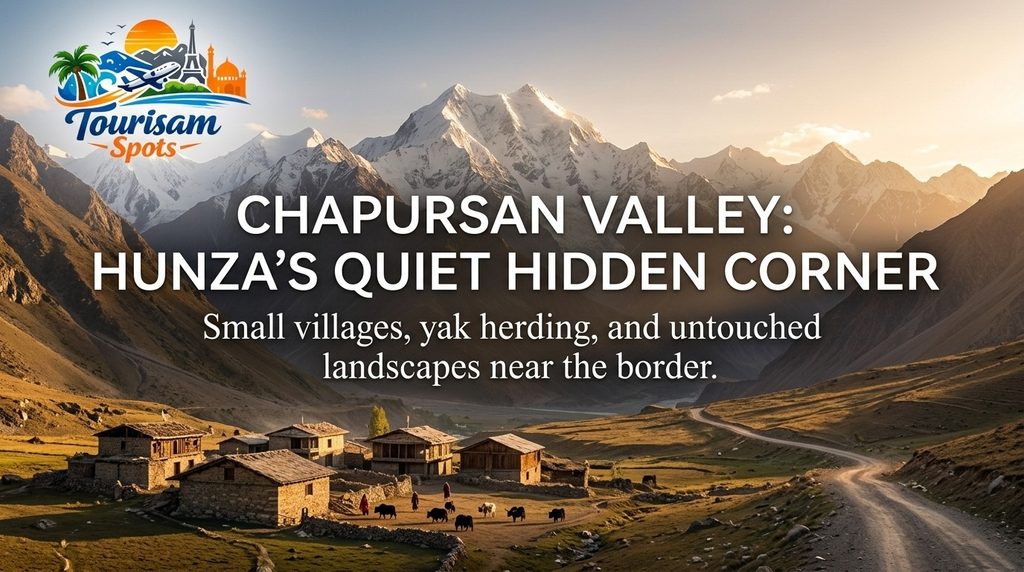
Chapursan is also home to Zood Khun, one of the last villages before the Afghan border, giving travelers a genuine sense of just how remote this part of the world truly is. For anyone seeking a break from crowded viewpoints, Chapursan is one of the best decisions you can make on a Hunza itinerary.
Hunza Valley Mountains and Outdoor Adventure
The Hunza Valley mountains are part of the Karakoram range, home to some of the highest peaks on earth. Rakaposhi, visible from many points along the main road, is one of the most striking mountains in the valley and a popular subject for photographers. For those seeking more active adventure, mountain climbing in Hunza attracts climbers from around the world, with routes ranging from moderate treks to serious technical expeditions.
Even travelers without climbing experience can enjoy shorter hikes with incredible mountain views, making the region accessible to a wide range of fitness levels. Jeep tours in Hunza are another popular way to explore the more rugged parts of the valley, especially routes leading toward Chapursan, Shimshal, and other areas where regular vehicles cannot easily travel. These tours are a great option for travelers who want to cover more ground without committing to a full multi day trek.
Local Culture of Hunza
The landscape is memorable but so is the indigenous culture of Hunza. The natives are called the Hunzakuts and are famed for their hospitality, sense of community and long lives that have intrigued scholars for decades. Villages here have carried down music, dance, harvest season celebrations and many more customs from generation to generation.
The languages of the valley are Burushaski, Wakhi and Shina, plus Urdu and English in the tourist areas. Often those invited into a local home are welcomed with tea and real warmth, and many tourists cite this as one of the pleasures of their entire trip.
Hunza Valley Food: What to Try While You Are There
The food of Hunza Valley is a reflection of its environment and is based on the crops grown in high altitude. Dried apricots and mulberries are ubiquitous, offered fresh when in season, or dried for the remainder of the year. After a day of sightseeing, a filling lunch is provided by the local bread, called chapshuro, which is loaded with meat and vegetables and cooked over an open flame.
Apricot oil, walnuts and locally grown veggies also feature strongly within the local cuisine. Many guesthouses serve guests traditional meals made with materials farmed just outside the front door, giving tourists a real taste of how the valley has fed itself for generations.
Best Resorts in Hunza Valley for a Comfortable Stay
Accommodation in Hunza varies from basic guesthouses to some really beautiful places. The greatest resorts in Hunza Valley are generally built with huge windows and open terraces so that they may take advantage of the mountain vistas surrounding them, especially in and around Karimabad and places facing Attabad Lake.
Many of these resorts provide pleasant rooms with locally inspired design, so guests have somewhere to unwind after a day of trekking or touring without losing the connection to the scenery outside. During the peak season, especially in autumn, it’s best to make reservations well in advance since accommodations are snapped up rapidly across the valley.
Tourisam Spots: Hunza Valley Travel Guide
Tourisam Spots is your trusted source to discover the beauty, culture and amazing experience of Hunza Valley and locations in Pakistan. We help you discover the best of Pakistan Mountain Tourisam, from spectacular mountain views and tranquil valleys to local traditions and thrilling activities. We also offer professional Guest Posting and Content Writing services for travel websites and businesses at Tourisam Spots. Share your trip stories Promote your brand or offer relevant travel content Write For Us and be part of our growing travel community. Contact Us today for collaborations, guest pieces or content services and explore more beautiful destinations with Tourisam Spots.
Planning Your Trip to Hunza
Hunza Valley pays back those who take their time. Doing everything in two or three days means missing many of the smaller settlements, calmer perspectives and cultural experiences that make this region special. Normally a week is enough to easily visit the major sights, including a day excursion to Khunjerab Pass, and time in Chapursan Valley, and yet have time to just sit and soak in the mountains. Be it the glaciers, the lakes, the food or the culture, the impression of Hunza Valley remains with most travelers long after they depart.